
Featured Snippet Answer
Change a standard HVAC air filter every 60 to 90 days in most Maryland homes. Replace it every 30 to 45 days if you have pets, allergies, heavy dust, wildfire smoke, renovation debris, or high HVAC usage. Check monthly because filter life depends on the home, not the calendar.
Why Air Filter Timing Matters
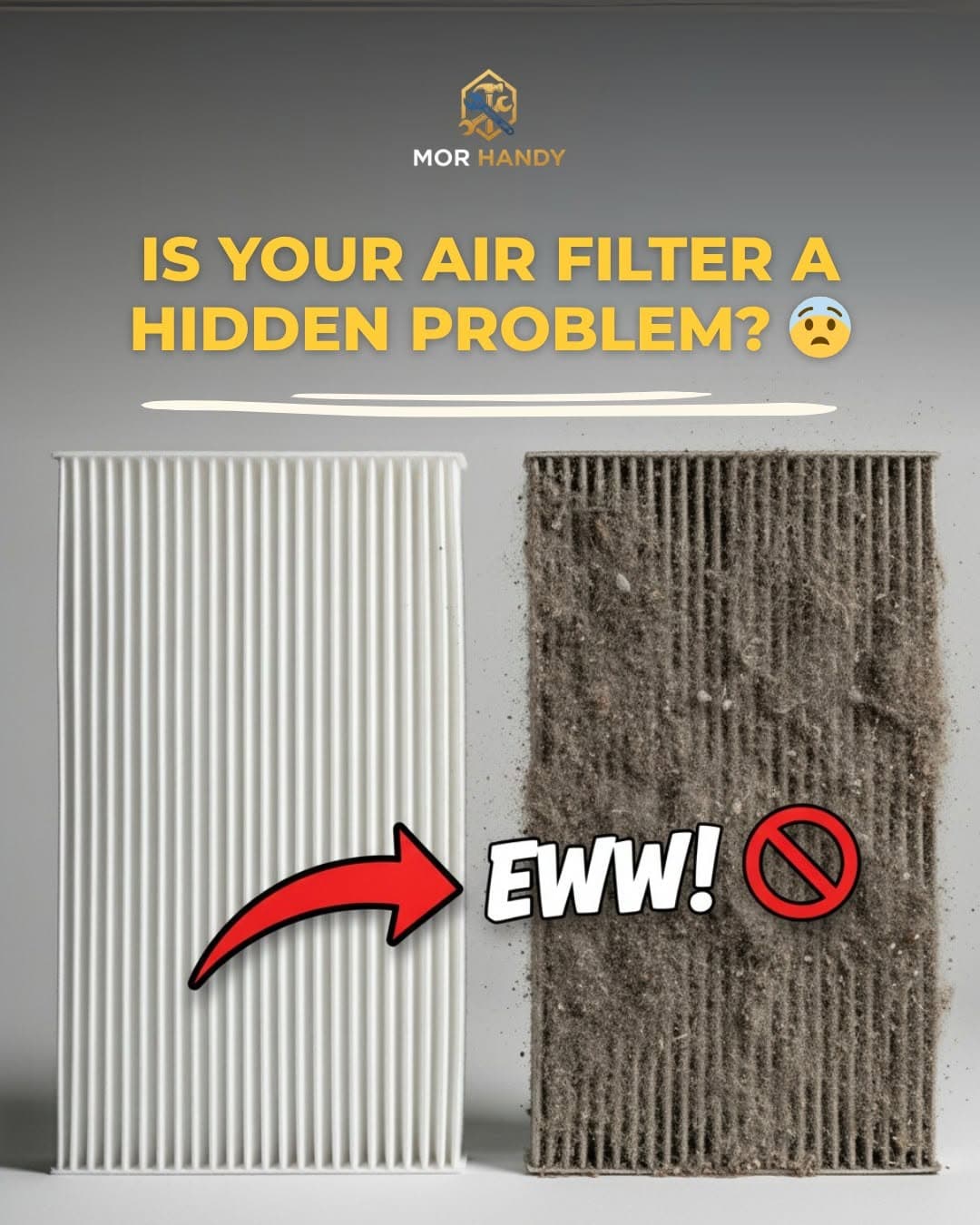
An air filter is small, inexpensive, and easy to ignore. That is exactly why it causes so many comfort problems. When the filter loads with dust, hair, dander, and debris, your system has to pull air through a clogged surface. The home may feel less comfortable, the blower may run longer, and your rooms can collect dust faster.
The right cadence protects comfort, indoor air quality, and equipment performance. It also gives you a simple maintenance habit that catches problems early. If the filter looks dirty after only a few weeks, that is useful information about dust, pets, air leaks, or system run time.
The 90-Day Rule Is A Starting Point, Not A Promise
The common 90-day rule works for a clean, low-traffic home with a properly sized filter and normal system use. Maryland homes often need a shorter schedule because spring pollen, summer humidity, fall debris, and winter heating cycles all change how quickly the filter loads.
- Low-dust home with no pets: every 60 to 90 days.
- One pet or mild allergies: every 45 to 60 days.
- Multiple pets or heavy allergies: every 30 to 45 days.
- Renovation dust or recent drywall sanding: check weekly.
- Rental, vacant, or seasonal property: inspect before heavy use.
Five Signs Your Air Filter Needs A Change
A filter does not need to be black to be a problem. If the pleats are loaded, gray, fuzzy, damp, or visibly blocked, replace it. These warning signs are especially important when they appear together.
1. Weak Airflow
Weak airflow at vents can happen when the system cannot pull enough air through the return. A dirty filter is one of the first things to check because it is simple, inexpensive, and often overlooked.
2. More Dust Than Usual
If surfaces look dusty soon after cleaning, the filter may be overloaded or poorly fitted. Dust can also come from gaps around the filter rack, leaky returns, or renovation debris.
3. Allergy Flare-Ups At Home
A clogged filter cannot trap new particles effectively. If symptoms feel worse indoors, check the filter, return grille, and cleaning schedule before assuming the HVAC system is the only issue.
4. Musty Smells Near Vents
A funky smell can mean the filter has trapped moisture and particles, but it can also point to drain, duct, or humidity problems. Start with the filter, then schedule help if the odor continues.
5. Higher Energy Bills
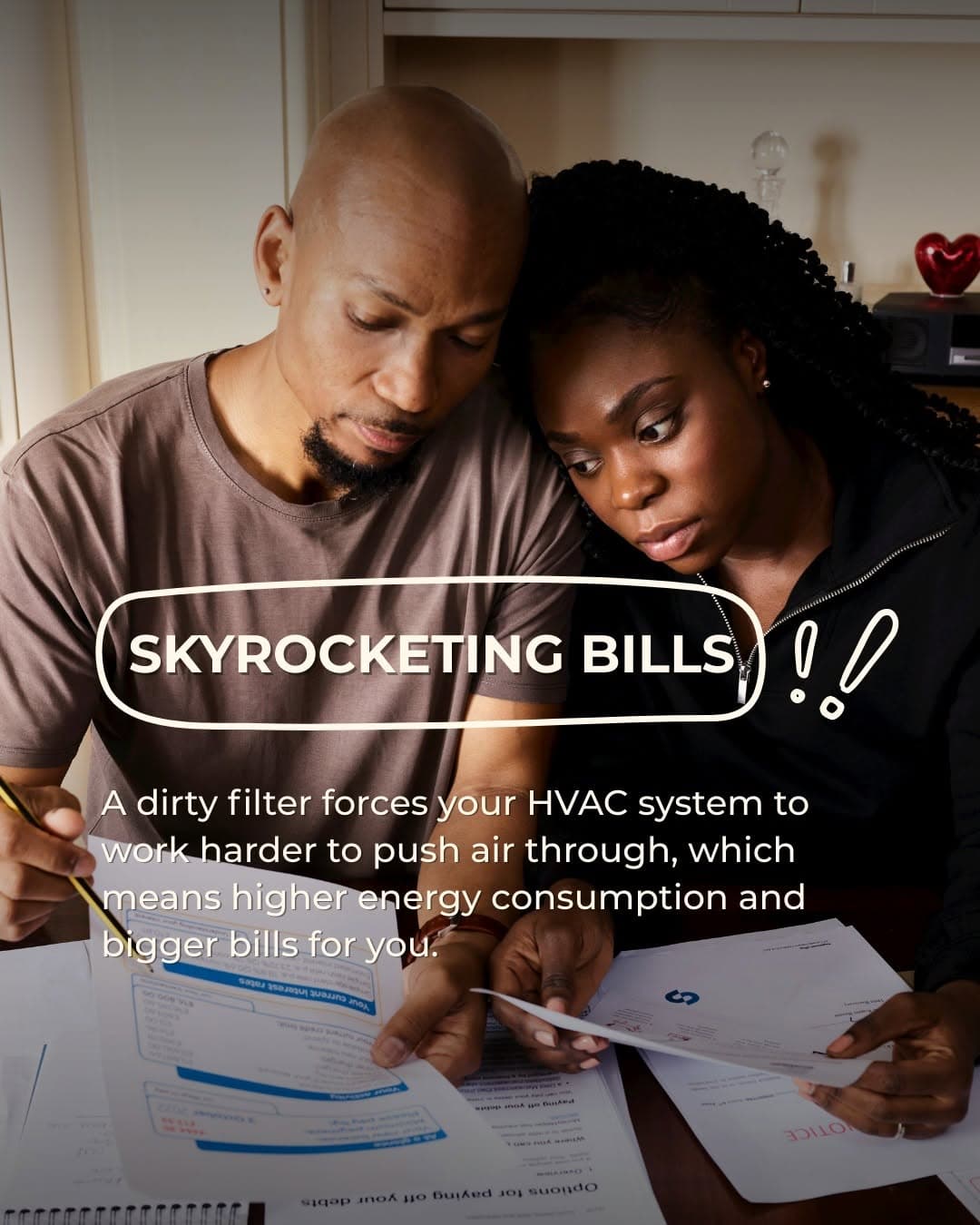
A clogged filter can make the system run longer because airflow is restricted. If bills rise while weather and usage feel similar, inspect the filter and look for airflow red flags.

Step-By-Step Air Filter Replacement
Turn off the HVAC system, find the filter slot or return grille, note the filter size, remove the old filter, and point the arrow on the new filter toward the airflow direction. Make sure the filter sits flat without gaps, then turn the system back on and check airflow.
- Turn the system off at the thermostat.
- Open the return grille or filter cabinet.
- Read the size printed on the old filter frame.
- Slide the old filter out carefully to avoid dumping dust.
- Insert the new filter with the airflow arrow facing the unit.
- Close the grille or cabinet fully.
- Set a reminder for the next inspection date.
Common Mistakes Homeowners Make
The biggest mistake is assuming the most expensive filter is always the best filter. A very high MERV filter can restrict airflow if the system is not designed for it. Another common mistake is buying the right length and width but the wrong depth. A loose filter lets air bypass the filter surface.
- Installing the filter backward.
- Forgetting filters in secondary returns.
- Using a filter that bows or leaves side gaps.
- Ignoring dust after drywall, flooring, or renovation work.
- Waiting for the thermostat to struggle before checking airflow.
Advanced Strategy: Build A Seasonal Filter Plan
The best maintenance schedule changes with the house. In spring, pollen and open windows can load filters faster. In summer, long AC cycles increase airflow through the filter. In winter, heating cycles and closed windows can concentrate indoor particles. A seasonal plan is smarter than one repeating reminder.
Mor Handy recommends checking the filter at the start of each season and again after any dusty project. For recurring home care, add filters to a quarterly maintenance checklist alongside gutter checks, fixture inspections, exterior cleanup, and small repairs.
Helpful Official Resources
For more context on indoor air and HVAC maintenance, review the EPA indoor air quality resource, ENERGY STAR heating and cooling maintenance guidance, and the U.S. Department of Energy guide to maintaining air conditioners.
- EPA indoor air quality guidance
- ENERGY STAR heating and cooling maintenance checklist
- Department of Energy air conditioner maintenance guide